


No products in the cart.

LEED Employment Outlook: Will LEED Get Me a Job?
As the green building industry grows, you can expect the LEED employment outlook to also explode. Not only can you get a job, but you’ll pick up valuable skills for the future…
Pop quiz. Who wants a job? Now who wants a job that pays well?
That’s what I thought.
The green industry is a great place to shift your career. Green building, in particular, accounts for a vast slice of the green jobs pie. These jobs require new training and new skill sets. Certification programs like LEED will soon become a necessary prerequisite in design and construction fields, and currently give job seekers an undeniable edge.
So What Is LEED Anyway?
LEED is the authority in green design. It tells us which buildings are “green” and who is certified to design “green” buildings.
LEED stands for Leadership in Energy and Environmental Design and is an internationally recognized green building certification system started by the USGBC (United States Green Building Council), an independent, third-party non-profit. It uses a point system to grade all aspects of a building’s (or neighborhood’s) environmental impact, from water use, to building materials, to stewardship of resources. Projects are ranked as Silver, Gold or Platinum. Its flexible approach considers the entire lifecycle of the building, applies to all types of buildings and allows for an evolution of the point system.
Growing Green
Fortunately for those of us in the ever-expanding “green” fields, green-collar jobs sit at the nexus of the future. They save energy, save money, and create jobs.
These jobs require skilled labor and innovative design. They are jobs that absolutely cannot be outsourced because they require local people on the ground. That’s a lot of green.
Will LEED Get Me A Job?
Since LEED is a comprehensive rating system that covers areas from citing, to exterior construction, to interior building materials, to operations and maintenance, it touches every individual involved in the lifespan of a building. Architects, engineers, landscape designers, interior designers, facility managers, sustainability coordinators, urban planners, contractors, tradesmen, sales personnel and teachers or professors all benefit from the LEED accreditation program. Click here to see the best jobs for using LEED.
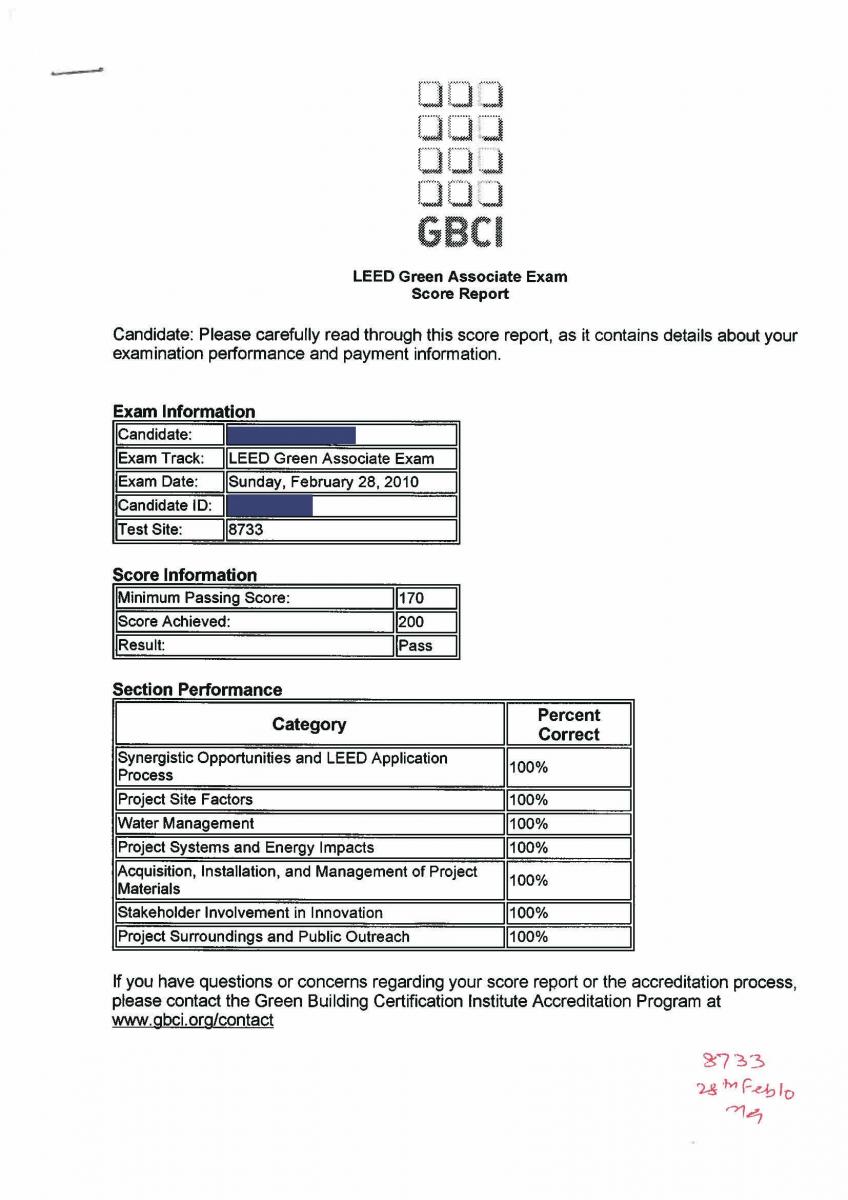
Furthermore, since the green trend touches every aspect of our economy, virtually anyone benefits from attaining, at the very least, a LEED Green Associate certification. This is the most basic level of certification and is also a prerequisite for attaining higher levels of LEED certification. By itself, the Green Associate certification provides a broad understanding of green principles. This is useful in any imaginable field of the future, from education, to business, to sales. The solution to climate change demands that we consider a horizontal approach. A LEED Green Associate certification sets you up to be an authority on green principles, no matter what field you are in.
A quick job search for “LEED” on SimplyHired returns hundreds of job listings, all of which list LEED accreditation as a “major plus” or “required.” As more and more construction shifts towards green design and official LEED Certification, LEED Accredited Professionals will not only be beneficial, they will be mandatory. Anecdotal evidence suggests that anybody currently employment in the design and construction industries will attain more responsibility, more clients and more success after becoming a LEED Accredited Professional.
Of course there is no silver bullet that will snag you that dream job. But in today’s increasingly competitive job market, it’s important to set yourself apart from the pack. The LEED employment outlook is positive, so do what you can to research and join the industry. A LEED Certification is your first step to furthering your green design and construction education, adding an important credential to your resume and finally getting you where you want to be professionally.













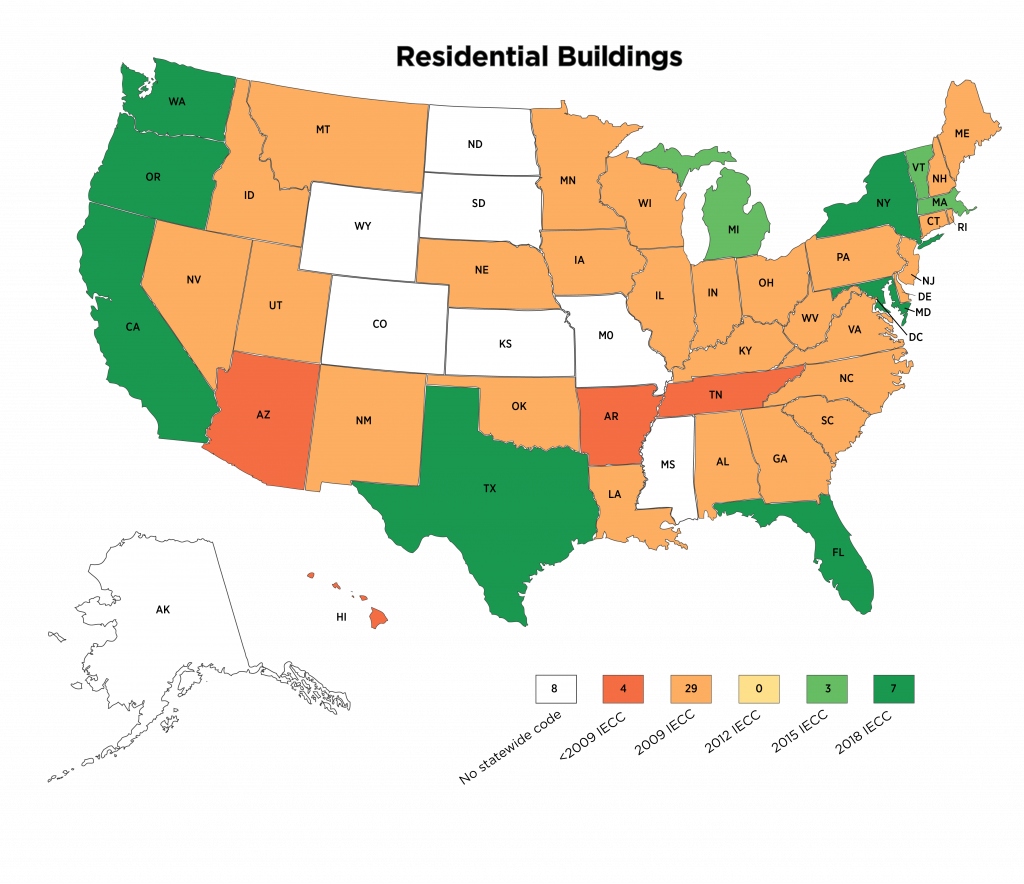


 On the integrity question, green building standards will ultimately have to integrate into the building code. It’s a natural progression, and it’s ultimately where the biggest impact on our built environment is to be had. There are legitimate concerns about the ability of building inspectors and city officials to handle inspections, reviews, etc. The answer to that problem is not abandon the existing and successful enforcement infrastructure. As buildings become more complex, code officials and inspectors will need to be better educated and, ultimately, specialize further within their skill sets. Instead of opposing CalGreen, the USGBC and others have started to encourage independent third-party testing and research into the effectiveness of existing building codes,